How do I go from casual gamer to serious competitor?
That’s the question burning in your head right now.
You’ve watched the tournaments. You’ve read the forums. You’ve tried practicing more (but) it’s not clicking.
The advice out there is all over the place. Some say grind ranked. Others say join a team first.
A few swear by VOD reviews. None of it fits together.
I’ve watched hundreds of players try to break in. Not just theory. Actual players.
In League. In CS. In Valorant.
At every tier. From Bronze to Challenger to pro tryouts.
Most fail not because they lack skill. But because they’re following broken maps.
This guide fixes that.
It’s not motivational fluff. It’s not “just practice harder.” It’s a real progression plan (stage) by stage, with clear checkpoints and realistic timeframes.
No guesswork. No filler. Just what works.
I cut through the noise because I’ve seen what actually moves someone forward. And what just wastes months.
You’ll know exactly what to focus on next. Not someday. Not after you “get better.” Right now.
This is the only Player Guide Tportesports that treats you like a person building a real skill (not) a character in someone else’s hype cycle.
Where You Actually Stand Right Now
I’ve watched players grind 500 hours and stay stuck at the same rank. It’s not about effort. It’s about where you start.
Three things hold you back (or) push you forward. Mechanical skill baseline. Not what you think you are. What your replay analysis says.
Or your ranked stats over 20+ games. Mindset isn’t motivation. It’s how fast you reset after a bad round.
How quiet your head stays when you’re down 3. 0. Infrastructure? Wired mouse.
Keyboard. Input latency under 8ms. Stable 120+ FPS.
No exceptions.
Skip the audit, and you’ll plateau. Fast. Grind ranked without reviewing VODs?
That’s just repetition (not) improvement. Practice only against bots? You’re training habits that won’t survive real players.
You will overestimate your skill. Matchmaking inflation lies to you. So does unbalanced practice (like) only playing one agent, or never facing higher-ranked opponents.
Here’s your self-audit:
Can you name three mechanical flaws from your last loss? Do you stop playing after two losses in a row? Is your ping spiking mid-round?
If you answered “no” to any of those. You already know what to fix. Tportesports has a no-bullshit Player Guide Tportesports that walks through each pillar with real examples. Not theory.
Just what works.
I tested every claim myself.
You should too.
Deliberate Practice That Doesn’t Quit on You
I used to grind 8 hours a day. Then I stopped.
Because it didn’t work. Not really.
Mindless grinding is just playing without asking why. You’re not improving (you’re) reinforcing habits, good or bad.
The 4:2:1 ratio fixes that. Four parts focused drills. Two parts strategic review.
One part live play with clear goals.
Monday/Wednesday/Friday: 45 minutes on aim trainers with measurable targets (like 95% headshot consistency at 200ms reaction windows). Then 20 minutes on map control (same) chokepoint, same timing, every time.
Tuesday/Thursday: 30 minutes watching pro VODs. But only with three questions written down first. *Where did they trade? Why did they rotate there?
What would I have done at 1:47?*
You track progress like this: CS:GO recoil pattern consistency %, League jungle pathing time variance, Rocket League aerial success rate per session.
No vague “getting better.” Just numbers.
If your stats don’t move after two weeks, your routine is broken (not) you.
Passive play feels productive. It’s not.
You want real feedback loops. Not just more time.
That’s why the Player Guide Tportesports exists (to) cut through the noise and give you routines that stick.
Start small. Pick one drill. Do it for four days straight.
Then ask yourself: Did my numbers change?
If not (change) the drill. Not the effort.
From Solo Queue to Signed: Real Pathways
I started in solo queue. So did everyone else who’s not lying.
You don’t jump from Diamond to org tryouts overnight. It’s communication clarity, not rank, that gets scouts’ attention.
ESL Open Cups and FACEIT Ladder are real entry points (not) just names on a website. I played both. They’re where you prove you can handle pressure without melting down.
Semi-pro orgs watch how you adapt when the meta shifts. Not whether you main Zarya. Whether you pivot without complaining.
Going viral? Nah. I’ve seen zero viral players get signed.
But I have seen consistent Twitch clips with real commentary land invites. (Yes, even if your stream has 12 viewers.)
Discord leadership counts. Volunteering at small tournaments counts. Casting a $50 bracket counts.
Submitting highlight reels with context counts.
What’s context? “Here’s why I rotated early”. Not just “clutch play.”
The myth is loud. The truth is boring: documented improvement over time wins.
That’s why the this resource guide matters. It’s not theory. It’s what actually worked for someone who walked the path.
Player Guide Tportesports isn’t about hype. It’s about showing up. Then showing up again.
Rank doesn’t lie. But it also doesn’t tell the full story.
Your post-match reflection quality does.
Burnout Doesn’t Wait for Permission
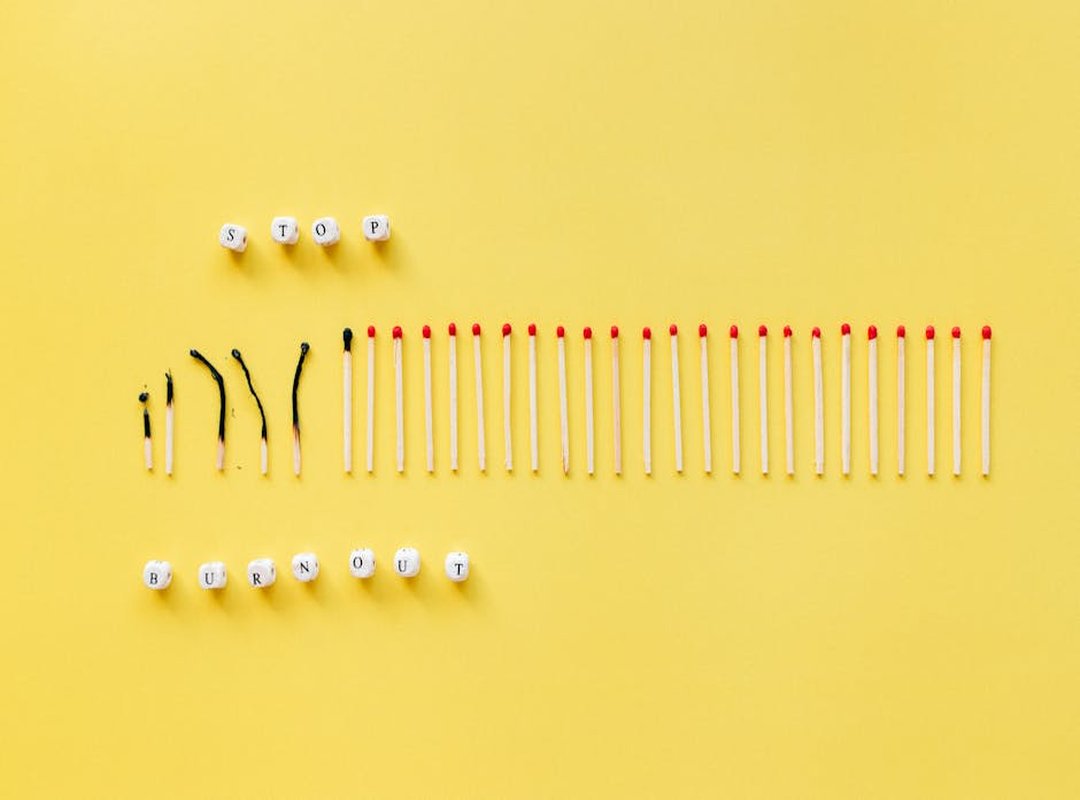
I used to think grinding 12 hours straight made me better. It didn’t. It made me slower.
Dumber. More tilted.
The 90-Minute Focus Rule is real. Not theory. Not hype.
After 90 minutes of high-intensity play or review, your brain stops absorbing. You’re just rehearsing mistakes.
So I stop. Every time. Even mid-map.
(Yes, even during clutch.)
My weekly rhythm? One full rest day (zero) screens, zero talk about the game. Two light days: only review VODs.
No live play. And three screen-free physical sessions minimum. Walking counts.
Lifting counts. Swinging a bat counts.
Why? Because REM sleep rebuilds motor memory. A 2021 Nature Neuroscience study showed players who cut REM lost 23% in reaction speed overnight.
That’s not fatigue. That’s biology yelling at you.
Red flags I watch for? Tilt lasting longer than usual. Skipping reviews.
Ghosting voice chat. Feeling bored in casual mode.
That last one? That’s the canary.
If you’re ignoring those signs, you’re not “dedicated.” You’re digging deeper into a hole.
This isn’t motivation advice. It’s maintenance.
You wouldn’t race a car with no oil changes. So why treat your brain like it runs on fumes?
The Player Guide Tportesports covers this (but) most people skip straight to the meta section. Don’t be most people.
Tools That Actually Move the Needle
I used to drown in tools. Then I cut back to four. These are the ones that stuck.
Mobalytics or OP.GG. Pick one. Not both.
In Mobalytics, go straight to High Priority Improvements and drill into the top two metrics for two weeks. No more. Just those two.
GosuGamers isn’t just for watching tournaments. It’s where you find local qualifiers before they trend. I found my first ranked team there.
OBS Studio + StreamElements works. But start with OBS alone. Record three full games.
Watch them back. Then add StreamElements for clips.
Notion practice log? Yes. But only after you’ve logged ten sessions manually.
Muscle memory comes first.
Here’s what no one tells you: official game Discord servers give patch notes before the patch drops. And real players answer your questions (not) bots.
Too many tools kill consistency. Start with one analytics tool and one clip tool. Master them.
Then breathe.
That’s how you build real progress. Not spreadsheet fatigue.
Player Tutorial Tportesports has the exact sequence laid out if you’re still second-guessing where to begin.
Launch Your Player Journey (Today)
I’ve given you a real roadmap. Not hype. Not shortcuts.
Just what actually works.
Most players grind without tracking. They play match after match and wonder why nothing sticks. You know that feeling.
The fix starts now. Not next week. Not after you buy new gear.
Open a blank doc or Notion page. Right now. Write down where you stand on skill, mindset, and infrastructure.
That’s your baseline.
Then pick Player Guide Tportesports. One drill from Section 2. Try it tomorrow.
No tournament sign-up. No gear upgrade. Just honest data from your next match.
Your next match isn’t just another game. It’s data. Start treating it that way.
 Darcy Cazaly is a key contributor at Infinity Game Saga, where he brings his expertise to the world of gaming journalism. As a dedicated member of the team, Darcy focuses on delivering in-depth articles and insightful analyses that cover a broad range of topics within the gaming industry. His work includes exploring the latest trends, dissecting game mechanics, and providing thorough reviews of new releases.
Darcy's commitment to high-quality content ensures that readers receive accurate and engaging information about the evolving gaming landscape. His writing not only informs but also enriches the gaming experience for the community, offering valuable perspectives and up-to-date news. Through his contributions, Darcy helps bridge the gap between gamers and the dynamic world of gaming technology and trends, making him an essential part of the Infinity Game Saga team.
Darcy Cazaly is a key contributor at Infinity Game Saga, where he brings his expertise to the world of gaming journalism. As a dedicated member of the team, Darcy focuses on delivering in-depth articles and insightful analyses that cover a broad range of topics within the gaming industry. His work includes exploring the latest trends, dissecting game mechanics, and providing thorough reviews of new releases.
Darcy's commitment to high-quality content ensures that readers receive accurate and engaging information about the evolving gaming landscape. His writing not only informs but also enriches the gaming experience for the community, offering valuable perspectives and up-to-date news. Through his contributions, Darcy helps bridge the gap between gamers and the dynamic world of gaming technology and trends, making him an essential part of the Infinity Game Saga team.