Shifting Priorities in Game Development
Studios aren’t building games in a vacuum. With economic uncertainty and global supply chain issues still sending aftershocks, developers have had to adjust. Hardware shortages, fluctuating costs, and staffing problems have forced even AAA studios to rethink timelines and pipelines.
Remote collaboration has gone from novelty to standard. Teams are investing more in seamless digital workflows from cloud based version control to proprietary tools for virtual production. It’s faster, more flexible, and often cheaper. But it also means new skills are needed, and adaptation has become essential, not optional.
Meanwhile, indie studios are turning pressure into invention. Tighter budgets have sparked a wave of minimalist design, creative reuse of assets, and sharper narrative focus. Small teams are skipping big engines and building custom tools. The result? Games that feel more personal and often more innovative than their bigger budget counterparts. In this climate, constraints are no longer roadblocks. They’re fuel.
Rise of Politically and Socially Aware Storytelling
Games aren’t just escapism anymore they’re becoming mirrors. As global instability ramps up, more titles are leaning into real life themes: war, climate disaster, injustice, displacement. We’re seeing shooters inspired by current conflicts, narrative driven dramas tackling migration or surveillance, and indie games capturing the anxiety of living in uncertain times.
What used to be subtext is now the feature. Players are actively looking for stories that hit closer to home. Genres are blending strategy games that question imperialism, RPGs that explore identity under pressure. This isn’t about preaching, it’s about crafting immersive worlds that confront hard truths without losing gameplay.
Studios are walking a thin line between message and entertainment. Too heavy handed, and it turns into a lecture. Too lightweight, and it feels hollow. The sweet spot? Games that invite players to think, not just play. Done right, these stories spark real conversations even long after the credits roll.
Market Expansion and Accessibility
Accessibility isn’t just a buzzword anymore it’s the next big frontier for global gaming. As governments and private sectors roll out broadband infrastructure across underserved regions, millions of new players are getting stable access to online games for the first time. In countries across Southeast Asia, South America, and parts of Africa, mobile first is the default. It’s pushing developers to reimagine games for data light environments and lower spec devices, while still maintaining core playability.
Cloud gaming is also filling the hardware gap. Players without consoles or high end PCs are jumping into AAA titles through game streaming platforms, using everything from budget smartphones to low cost smart TVs. It’s not perfect latency and server coverage still get in the way but it’s opening doors, fast.
What’s really moving the needle, though, is localized content. Creators and studios who invest in region specific voice lines, culturally tuned storylines, and relevant social themes are landing better traction. People want to see themselves in the games they play. The studios that get that and act on it are winning hearts, and markets, from the ground up.
Evolving Monetization Models

Loot boxes are on the decline. After years of backlash and mounting regulation, developers are finally shifting toward more transparent, player friendly monetization models. Think cosmetic only upgrades, clear value exchanges, and microtransactions that don’t mess with balance. Players want honesty and studios are starting to listen.
At the same time, subscriptions are gaining serious traction. Services like Xbox Game Pass and PlayStation Plus are rewriting how games are accessed and paid for. In a world where inflation is changing spending habits, paying a flat monthly fee for access to a library of games feels smarter to many players than dropping $70 on a single title.
Free to play isn’t going anywhere either but the model itself is evolving. There’s been a noticeable uptick in ad supported games that trade attention for access. These aren’t the clunky banner ridden apps of a few years ago. Think integrated, skippable content that doesn’t break gameplay. It’s a tough balancing act, but when done right, it keeps games free while still making money.
Whether it’s ditching manipulative mechanics or finding new ways to fund development, the golden rule for 2026: make it fair, or lose your audience.
Geopolitical Disruptions to Global Esports and Events
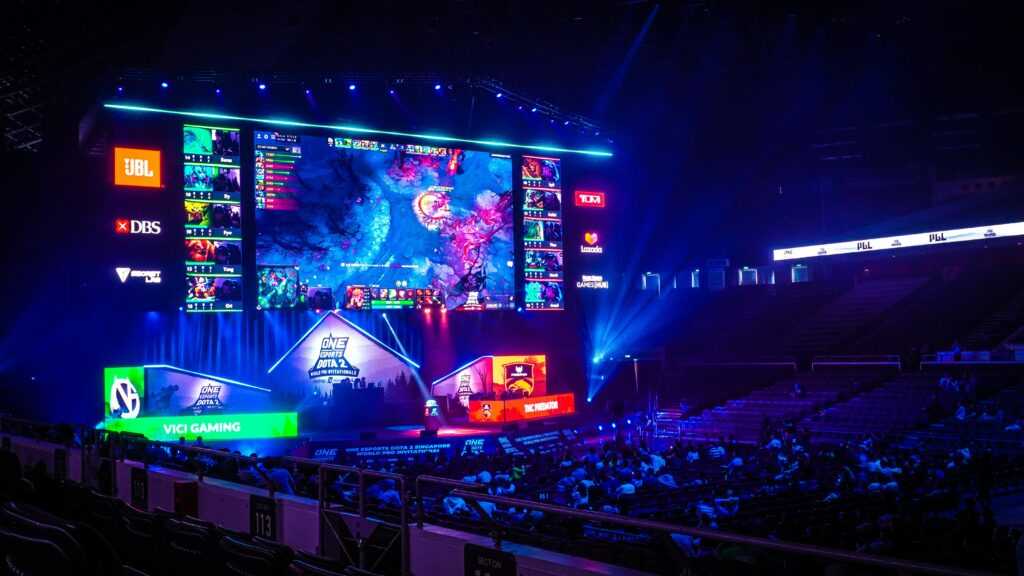
The global esports scene isn’t what it was just a few years ago. Ongoing travel restrictions and tightening privacy laws are making it harder to host massive, cross border tournaments. Visa delays, health protocols, and data sharing regulations have forced organizers to rethink everything from where they host to how they handle personal information. Some major titles have already scaled back their international circuits.
In response, decentralized online leagues have gained serious ground. What used to be backup plans are now becoming primary formats. Players from Seoul to São Paulo are competing from home, and audiences are still showing up. This shift isn’t just about necessity it’s shaping a more inclusive, always on ecosystem that doesn’t hinge on physical venues or overpriced logistics.
At the same time, players are raising their voices. Calls for transparency in tournament governance are no longer whispers they’re demands. Athletes want clear rules, fair contracts, and a say in how their data is used. Governing bodies that fail to adapt risk losing talent and credibility.
The rules of global play are changing in real time. What comes next will depend on who’s willing to evolve and who gets left behind.
How This Compares to Post Pandemic Shifts
The challenges hitting the gaming industry now feel familiar. Developers, studios, and players are falling back on instincts they built during the pandemic fast pivots, remote collaboration, and a focus on digital first pipelines. In many ways, 2026 echoes 2020, but this time, teams are quicker on their feet. They’ve been through the fire. They know what to expect.
Adaptation patterns are even sharper now. Players, once again, are seeking comfort in interactive escapism, while demanding deeper, more nuanced storytelling. Studios that learned how to scale production under pressure are applying that muscle memory. There’s less panic, more precision. Tight deadlines and fractured global supply chains are still a hurdle, but the response is smoother.
Lessons from recent years are paying off. Flexible publishing strategies, hybrid testing models, and deeper audience analytics are standard, not experimental. What was once reactive is now proactive. The industry at every level is better built for uncertainty than it used to be.
For more context on this parallel, check out the related read: Impact of Global Events.
Looking Forward
Studios that want to survive the next wave of disruption need more than just good games they need systems that can bend without breaking. Building resilience means setting up flexible pipelines, supporting remote teams long term, and baking contingency plans into production from day one. Emergency proof your roadmap. The unexpected is the new normal.
Storytelling will remain the heart of it all. Big budget visuals and sharp mechanics won’t matter if nobody cares about your world. The most successful games coming out of unpredictable times have one thing in common: they make players feel something. That emotional hook whether grounded in real life themes or pure escapism keeps people coming back and builds loyal communities.
If you’re a developer, stay nimble. If you’re a player, expect shifts in how games fund and deliver content. And if you’re an investor, know that risk now includes creative agility. The next era of gaming will be driven by studios that can move fast, write deeply, and connect broadly. For more context, don’t miss this: impact of global events
 Charlie Bracegirdle seamlessly combines his passion for gaming with his role at Infinity Game Saga, where he is both a dedicated gamer and a prominent content creator. As an integral member of the team, Charlie brings a wealth of experience and a deep understanding of the gaming industry to his work. His articles and content cover a broad spectrum of gaming topics, from detailed reviews and insightful industry analyses to the latest trends and upcoming releases.
Charlie’s unique perspective, shaped by his own extensive gaming experiences, allows him to engage with readers in a meaningful way. His writing not only informs but also entertains, providing a blend of professional insight and personal enthusiasm. Whether he's exploring new game mechanics, dissecting game strategies, or sharing his thoughts on the future of gaming, Charlie's contributions make a significant impact on the Infinity Game Saga community. Through his work, he bridges the gap between gamers and the evolving landscape of the gaming world, enhancing the experience for all who follow his updates and analyses.
Charlie Bracegirdle seamlessly combines his passion for gaming with his role at Infinity Game Saga, where he is both a dedicated gamer and a prominent content creator. As an integral member of the team, Charlie brings a wealth of experience and a deep understanding of the gaming industry to his work. His articles and content cover a broad spectrum of gaming topics, from detailed reviews and insightful industry analyses to the latest trends and upcoming releases.
Charlie’s unique perspective, shaped by his own extensive gaming experiences, allows him to engage with readers in a meaningful way. His writing not only informs but also entertains, providing a blend of professional insight and personal enthusiasm. Whether he's exploring new game mechanics, dissecting game strategies, or sharing his thoughts on the future of gaming, Charlie's contributions make a significant impact on the Infinity Game Saga community. Through his work, he bridges the gap between gamers and the evolving landscape of the gaming world, enhancing the experience for all who follow his updates and analyses.