
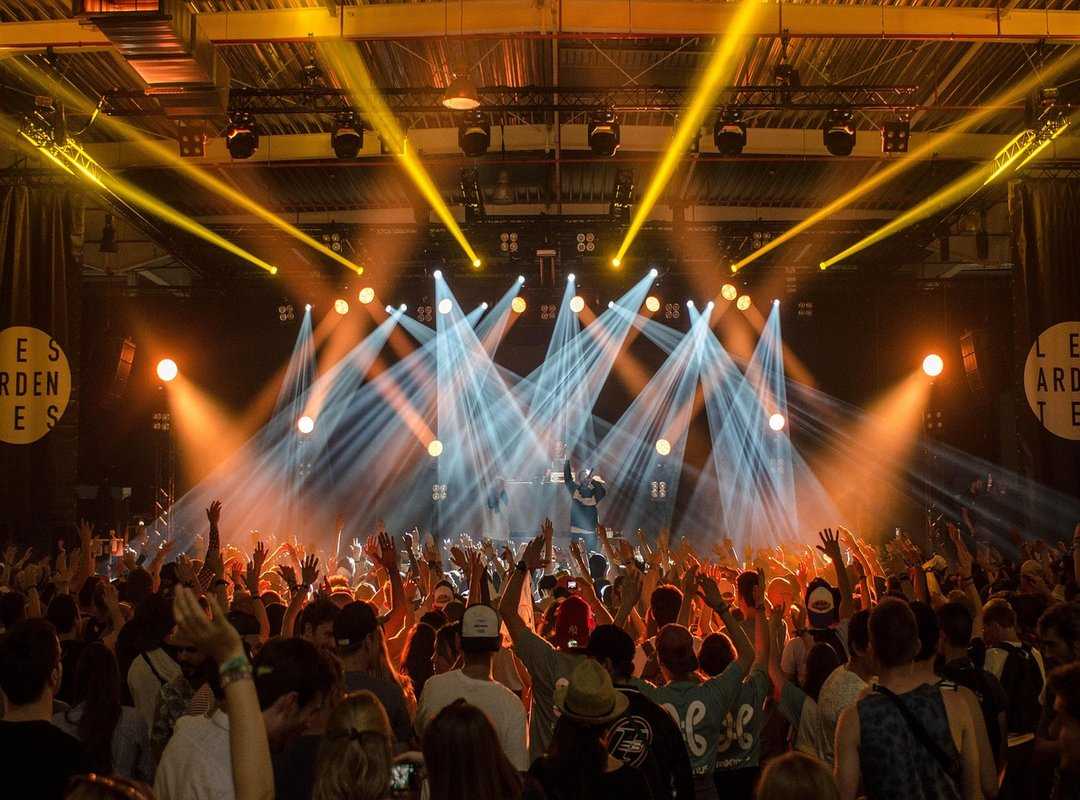
You’ve seen it. That deafening roar in the arena. The lights.
The hype. The sponsor logos flashing like they’re winning something too.
But here’s what no one asks out loud:
What makes one event actually competitive. And not just loud?
I’ve watched every major final live. Sat through qualification streams for League, Dota 2, VALORANT, CS2. Seen tournaments where prize money vanished before payouts (and) others where a single win changed a player’s life.
Fans don’t know which events build careers. Aspiring pros waste months grinding into dead-end brackets. And nobody explains why (until) now.
This isn’t about viewership numbers or how slick the broadcast looks. It’s about which Gaming Tportesports events force real growth. Which ones test skill, not just stage presence.
Which ones reward consistency, not just one lucky play.
I’ve mapped the pathways. Checked the payout structures. Talked to players who walked away from “prestigious” events with nothing but debt.
This article cuts through the noise.
You’ll learn how to spot the events that matter. Before you register, travel, or bet your time on them.
Legitimacy Isn’t Loud (It’s) Accountable
I’ve watched tournaments collapse mid-bracket because nobody knew the tiebreaker rules.
That’s why I care about the four pillars (not) as theory, but as non-negotiables.
Second: consistent anti-cheat and fair-play enforcement. Not just “we ban cheaters” (but) how, when, and who reviews appeals. ESL Pro League logs every VAC ban tied to a match ID.
First: transparent qualification criteria. If you can’t find how players qualify before registration closes, walk away. (Yes, even if it’s your favorite game.)
That unranked regional cup? No VOD review policy at all.
Third: professional broadcast standards. Verified latency. Replay integrity.
If the stream lags 300ms and replays vanish after 24 hours, it’s not pro. It’s practice.
Fourth: sustainable prize pool distribution. Not “$10k total!” slapped on a banner (but) clear tiers, payout timelines, and proof of funding before signups open.
Legitimacy has nothing to do with crowd size.
It’s about who answers questions. And whether they answer before you pay the entry fee.
Here’s what I watch for:
- Red flag: “Rules available upon request.”
- Green flag: Published rulebook updated quarterly.
- Red flag: Prize pool announced after registration ends.
- Green flag: Tiered payouts visible during signup.
Tportesports builds around these pillars (not) hype.
Gaming Tportesports fails when accountability drops.
I’ve seen teams forfeit because replay files were corrupted (and) no one had access to the original feed.
Prize Pools Don’t Lie
I’ve watched teams fold after placing 4th in a $100K tournament. Because they got $1,200.
That’s not motivation. That’s a warning label.
When 70% to 1st place is the norm, you’re not rewarding skill. You’re rewarding luck, roster churn, and burnout.
Mid-tier players stop showing up consistently. Why train six months for a shot at crumbs?
Compare The International’s longevity bonuses. Extra money for teams that qualify year after year (with) a random open qualifier handing out flat $500 payouts to everyone who wins one match.
One builds legacy. The other builds confusion.
Guaranteed base prizes for qualified teams? That’s how you keep rosters intact. That’s how you get real development instead of constant reboots.
I saw a team drop out of two events last year because their payout arrived 87 days late. No explanation. Just radio silence.
Transparency like “within 14 business days post-event” isn’t fluff. It’s credibility.
If you can’t pay on time, why should anyone trust your structure?
Gaming Tportesports suffers most when organizers treat prize pools like afterthoughts.
Real investment means paying before the hype dies.
Not just winners. Not just fast. Everyone who showed up ready.
That’s how ecosystems survive.
Not with fireworks.
With follow-through.
Broadcast Quality Isn’t Just Flashy (It’s) Fair
I’ve watched pro FPS matches where stream delay made a 0.2-second flick look like a teleport. That’s not entertainment. That’s cheating the audience (and) the players.
Sub-300ms end-to-end latency isn’t aspirational. It’s baseline. Anything higher breaks timing reads in titles like Valorant or CS2.
You wouldn’t accept a 500ms ping in your own match. Why tolerate it on broadcast?
Multi-angle VODs need to drop within two hours. Not “by tomorrow.” Not “when the editor gets to it.” Two hours. Teams are already breaking down clips for prep.
Delayed footage = outdated intel.
Real-time stat overlays? They must match raw game logs. Not just look right.
I once saw a caster call a fake “clutch” because the overlay misreported round time. The team used that clip to study their opponent’s habits. Wrong data.
Bad decisions.
Audio clarity matters more than you think. Muffled mics hide hesitation. Overly hyped calls betray bias.
These aren’t small details. They’re measurable signals of whether you take the event seriously.
Pro scouts rely on these feeds. If your stream stutters, skips, or mislabels kills, you’re feeding them noise. Not insight.
That’s why broadcast reliability is non-negotiable.
If you’re serious about competitive integrity, start with the feed (not) the logo.
The Tportesports league treats this as table stakes. Not flair. See how they enforce it.
Gaming Tportesports only works when the tech disappears.
Regional Events That Punch Above Their Weight
LVP Superliga Spain. PGL Arabian Nights. SEA Tour.
I’ve watched all three live. More than once.
They’re not on ESPN. They don’t have million-dollar prize pools. But they do have referees who call fouls in Spanish, Arabic, and Bahasa (then) switch to English for broadcast without skipping a beat.
That bilingual rigor matters. It’s not lip service. It’s logistics.
All three run every season, no gaps. Three years minimum. No “we’ll see how it goes” energy.
They feed directly into ESL Ranking and Liquipedia. Not “kinda sorta.” Points land. Rosters shift.
Careers pivot.
Here’s the litmus test you’re already thinking: Does this event award points toward a recognized global index?
If the answer isn’t yes, walk away. Local hype ≠ competitive weight.
I’ve seen tournaments sell out arenas in Manila and still not count toward anything real. Don’t get fooled.
Check the post-event reports. Real ones. Not press releases.
Look for lines like “0 bans issued, 2 delays due to server instability.” That’s transparency. That’s trust.
Gaming Tportesports isn’t built on flash. It’s built on consistency, integrity, and actual data.
Skip the noise. Go where the points land.
Your Competitive Gaming Events Checklist. Before You Register
I check this list every time. Even if I’m just watching.
Is the official rulebook publicly accessible and version-dated? No gray area. If it’s not dated, it’s not official.
Are match VODs archived with timestamps and player IDs?
If you can’t verify who did what and when, you’re watching theater (not) competition.
Does the organizer list certified referees or anti-cheat partners? Names. Logos.
Links. Not “experienced staff.”
Are prize payouts tied to verifiable milestones? Top 8 gets travel stipends. Not “competitive compensation.”
Is there a documented appeals process for disputed rulings? Not “contact us.” A real flowchart. With deadlines.
Do past winners consistently advance to higher-tier events? Check their Twitter. Their Liquipedia.
Their next tournament slot.
If three or more items are unanswered or vague, treat the event as developmental. Not competitive. That’s not opinion.
That’s how you avoid wasting time.
This works whether you’re a player, coach, analyst, or sponsor calculating ROI.
It’s how I spotted red flags before signing up for anything.
You’ll find the same standards applied in Player tportesports (that’s) where I go to test events against real-world stakes.
Your Reputation Isn’t Measured in Attendance Numbers
I’ve seen too many players burn hours on Gaming Tportesports events that look good on a resume but do nothing for their credibility.
You’re tired of showing up just to be counted. Not seen. Not heard.
Not respected.
Events aren’t about logos or crowd size. They’re about consistency. Transparency.
Consequence.
If your last event didn’t move the needle on trust (or) even made you question your own judgment (you’re) not alone.
That checklist isn’t fluff. It’s six real questions that cut through hype.
Download it. Screenshot it. Use it on your next three event evaluations.
No more guessing. No more wasted prep time. Just clear, repeatable criteria.
Your skill deserves a stage that respects it. Not just streams it.
 Darcy Cazaly is a key contributor at Infinity Game Saga, where he brings his expertise to the world of gaming journalism. As a dedicated member of the team, Darcy focuses on delivering in-depth articles and insightful analyses that cover a broad range of topics within the gaming industry. His work includes exploring the latest trends, dissecting game mechanics, and providing thorough reviews of new releases.
Darcy's commitment to high-quality content ensures that readers receive accurate and engaging information about the evolving gaming landscape. His writing not only informs but also enriches the gaming experience for the community, offering valuable perspectives and up-to-date news. Through his contributions, Darcy helps bridge the gap between gamers and the dynamic world of gaming technology and trends, making him an essential part of the Infinity Game Saga team.
Darcy Cazaly is a key contributor at Infinity Game Saga, where he brings his expertise to the world of gaming journalism. As a dedicated member of the team, Darcy focuses on delivering in-depth articles and insightful analyses that cover a broad range of topics within the gaming industry. His work includes exploring the latest trends, dissecting game mechanics, and providing thorough reviews of new releases.
Darcy's commitment to high-quality content ensures that readers receive accurate and engaging information about the evolving gaming landscape. His writing not only informs but also enriches the gaming experience for the community, offering valuable perspectives and up-to-date news. Through his contributions, Darcy helps bridge the gap between gamers and the dynamic world of gaming technology and trends, making him an essential part of the Infinity Game Saga team.