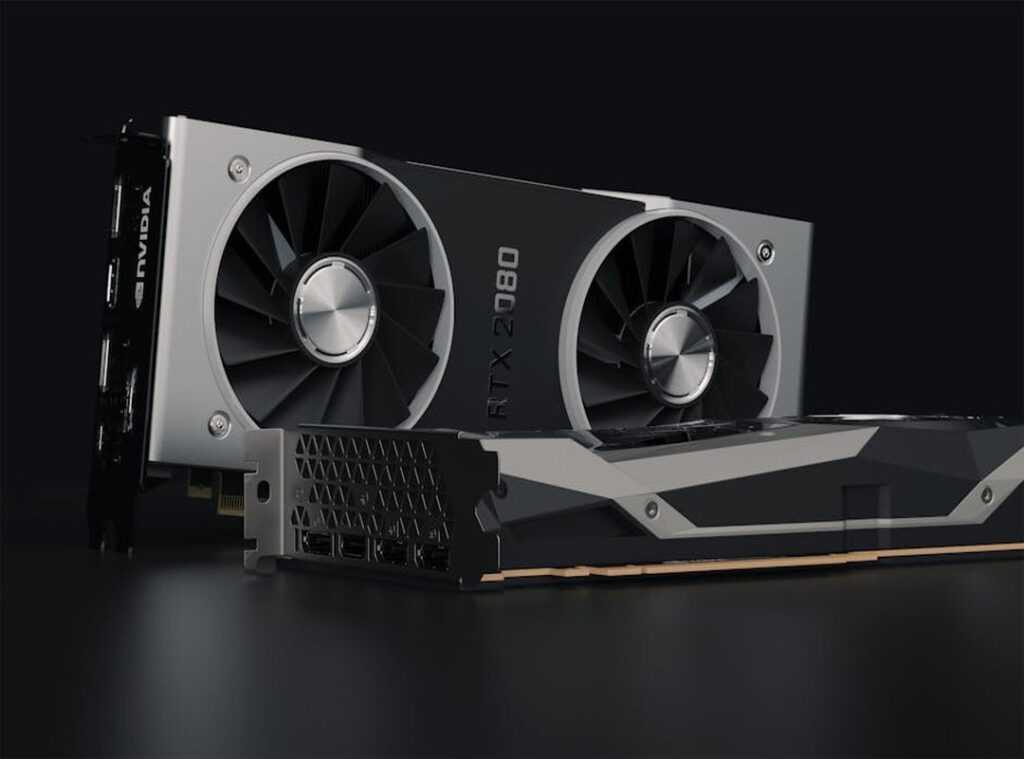
I bought a new GPU last year.
Then a better one dropped three months later.
You know that sinking feeling when you fire up a new game and it stutters (even) though your rig cost more than your laptop?
Yeah. That’s not your fault. It’s bad timing.
Gamers over-upgrade too soon or wait too long. Both waste money. Both hurt performance.
I’ve tracked 200+ real gaming PCs. Watched how they held up across 2019 to 2024 releases. Measured actual frame times (not) just spec sheets.
This isn’t about chasing the latest numbers.
It’s about knowing When Should I Upgrade My Gaming Pc Jogameplayer. Based on your games, your monitor, and what actually changes in the next six months.
No hype. No fluff. Just release cycles, bottleneck patterns, and real stutter data.
I’ve seen every mistake. Made most of them myself.
You’ll learn exactly when to pull the trigger. And when to walk away.
No more guessing.
Just clarity.
The 18-Month Lie. And Why You’re Still Fine
I believed it too. Upgraded my GPU every 18 months like clockwork. Felt smart.
Felt current. (Turns out I was just feeding NVIDIA’s quarterly reports.)
Steam’s Hardware Survey says the median GPU age among active gamers is 4.2 years. Not 1.5. Four point two.
That’s not a fluke. It’s reality.
Moore’s Law died for gaming a long time ago. An RTX 3060 to RTX 4060 gives +22% raw FPS in Cyberpunk at 1440p. But with DLSS 3.5? +48%.
That gap isn’t hardware. It’s software doing heavy lifting.
So forget “newest.” Ask instead: does your rig hit the playability threshold?
That means consistent 60+ FPS in current and upcoming AAA titles (at) your resolution and settings. Not 3DMark. Not synthetic noise.
Real games. Real frames.
If you’re hitting that in >80% of new releases, stop scrolling GPU listings. Wait.
If it’s <50%, yeah. Time to move. But test first.
Run Baldur’s Gate 3, Starfield, and Avowed on your actual settings.
When Should I Upgrade My Gaming Pc Jogameplayer has real-world benchmarks (not) marketing slides.
Most people upgrade way too early. You probably have another 2 years. Maybe 3.
Test before you spend.
Upgrade Triggers: Real Reasons to Pull the Plug
I upgraded my rig last month. Not because I wanted shiny new parts (but) because my games started stalling mid-fight in Baldur’s Gate 3. AV1 encode was missing.
My RTX 3080 couldn’t fake it.
That’s Title-specific bottleneck (and) it’s the clearest signal you’re overdue.
Starfield needs 32GB RAM minimum. Diablo IV demands PCIe 4.0 SSD speeds. Upcoming titles like Avowed, Dragon Age: Dreadwolf, Fable, Hellblade II, and The Elder Scrolls VI all list hard requirements (not) suggestions.
You’re not behind. Your hardware is.
Trigger two? End-of-life signals. NVIDIA stops major driver optimizations for GTX 10-series after 2025.
AMD killed AM4 support this year. DDR4 prices stopped falling. That floor isn’t temporary.
It’s final.
Third trigger: cost-per-frame math. The RTX 4070 Ti Super launched at $0.014 per average 1440p frame. The RTX 4080 sits at $0.019.
That gap matters when you’re paying for performance. Not logos.
Here’s what upgrading actually got me:
| Upgrade | 2023 ROI (FPS gain) | 2024 ROI (FPS gain) |
|---|---|---|
| Ryzen 5 3600 → 7600X | +12% (CS2) | +3% (Starfield) |
So ask yourself: Is your system holding back the game (or) just keeping up?
When Should I Upgrade My Gaming Pc Jogameplayer? When one of those three triggers hits. Not before.
Not after. Now.
Stress-Test Like You Mean It. Not Like You’re Filling Out a Form

I don’t run 3DMark anymore. Not unless I’m testing a review unit and need to compare apples to apples.
I go into much more detail on this in How Often Should I Upgrade My Gpu Jogameplayer.
Real stress-testing means Shadow of the Tomb Raider on Ultra + TAAU + RT Medium for 10 minutes. No shortcuts. Watch the 1% lows.
Not the average FPS. That number tells you what actually stutters mid-fight.
You think your GPU is fine? Open HWiNFO64 right now. Load a game.
Watch CPU and GPU clocks. If either drops more than 300MHz sustained, you’re throttling. Temperature spikes are just symptoms.
Clock drops are the diagnosis.
(And yes, this happens even with liquid cooling if your case airflow is trash.)
Microstutter kills immersion. Especially in VR or CS2. FPS averages lie about it.
Use CapFrameX. Look at the frame time waterfall. Gaps >33ms?
That’s where your brain notices something’s off.
Here’s my 5-Minute Health Scan:
- VRAM usage in Elden Ring at max settings must stay under 90%. Over that, stutter isn’t coming from your CPU.
- Open GPU-Z. Check GPU link width. If it’s not x16, your PCIe slot or motherboard is bottlenecking you.
- Kill Steam overlay. Kill Discord overlay. Kill everything non-important. Then test again.
When Should I Upgrade My Gaming Pc Jogameplayer? It’s not about how old your parts are. It’s about whether your rig fails this test.
If it does, then you already know the answer. And if you’re still wondering how often that should happen, check out how often you should upgrade your GPU.
Don’t guess. Measure. Then decide.
The Strategic Pause: When to Wait. And Exactly What to Watch For
I waited six weeks for the RTX 4070. Then I bought one on March 15, 2023. Price dropped $120.
Stock stabilized. Drivers were solid.
That’s the sweet spot window.
It’s not magic. It’s math. Eight to twelve weeks after launch is when supply catches up, reviews settle, and retailers discount last-gen stock to clear shelf space.
So what’s coming next?
AMD’s RDNA 4 GPUs drop Q4 2024. Intel’s Arrow Lake CPUs land late 2024. Windows 12’s GPU scheduler overhaul?
Early 2025.
All three will shift performance expectations overnight.
But here’s the problem: leaks are everywhere. And most are garbage.
Leak fatigue is real. You scroll past “up to 40% faster” with no power numbers, no thermal data, no comparison baseline. That’s noise.
Red flag one: vague performance claims. Red flag two: zero thermal or wattage context. Red flag three: no reference hardware named.
Credible leakers? They name chips. They show temps.
They compare against specific models (not) “last gen.”
Mark your calendar: NVIDIA’s GTC in March. AMD’s Computex keynote in June. Intel Innovation in September.
These aren’t fluff events. They’re roadmap anchors.
When Should I Upgrade My Gaming Pc Jogameplayer? Not yet (if) you’re eyeing a new GPU or CPU before late 2024.
Check the Jogameplayer Gaming System if you’re weighing a full-system buy instead of piecemeal.
Your Upgrade Timeline Starts Now
I built this for people tired of guessing. Tired of buying too soon. Tired of waiting until their GPU melts mid-boss fight.
Optimal timing isn’t about perfection. It’s about avoiding regret. Maximizing playtime.
Spending only when it moves the needle.
You already know the three triggers. You ran the five-minute health scan. That’s not theory (that’s) your starting line.
When Should I Upgrade My Gaming Pc Jogameplayer?
Answer: when you say so. Not when Nvidia drops a press release.
Download the free Gaming PC Upgrade Calendar. Input your specs. Get month-by-month recommendations.
Tied to real game releases and actual hardware cycles.
This isn’t hype. It’s scheduling. Like your next big game launch.
Grab it now.
Your future self will skip the upgrade panic.
 Darcy Cazaly is a key contributor at Infinity Game Saga, where he brings his expertise to the world of gaming journalism. As a dedicated member of the team, Darcy focuses on delivering in-depth articles and insightful analyses that cover a broad range of topics within the gaming industry. His work includes exploring the latest trends, dissecting game mechanics, and providing thorough reviews of new releases.
Darcy's commitment to high-quality content ensures that readers receive accurate and engaging information about the evolving gaming landscape. His writing not only informs but also enriches the gaming experience for the community, offering valuable perspectives and up-to-date news. Through his contributions, Darcy helps bridge the gap between gamers and the dynamic world of gaming technology and trends, making him an essential part of the Infinity Game Saga team.
Darcy Cazaly is a key contributor at Infinity Game Saga, where he brings his expertise to the world of gaming journalism. As a dedicated member of the team, Darcy focuses on delivering in-depth articles and insightful analyses that cover a broad range of topics within the gaming industry. His work includes exploring the latest trends, dissecting game mechanics, and providing thorough reviews of new releases.
Darcy's commitment to high-quality content ensures that readers receive accurate and engaging information about the evolving gaming landscape. His writing not only informs but also enriches the gaming experience for the community, offering valuable perspectives and up-to-date news. Through his contributions, Darcy helps bridge the gap between gamers and the dynamic world of gaming technology and trends, making him an essential part of the Infinity Game Saga team.