Lag Is (Almost) Dead
For years, gamers avoided wireless connections like the plague because they were slow. Laggy. Unreliable. But that’s changing fast. Latency has taken a nosedive, and wireless gear is finally holding its own.
Thanks to tech like Wi Fi 6 and 6E, high end gaming routers now deliver speeds and reaction times that come within striking distance of wired setups. In real world terms, that means buttery smooth multiplayer, faster frame rendering, and no noticeable delay on your inputs even during chaos heavy matches.
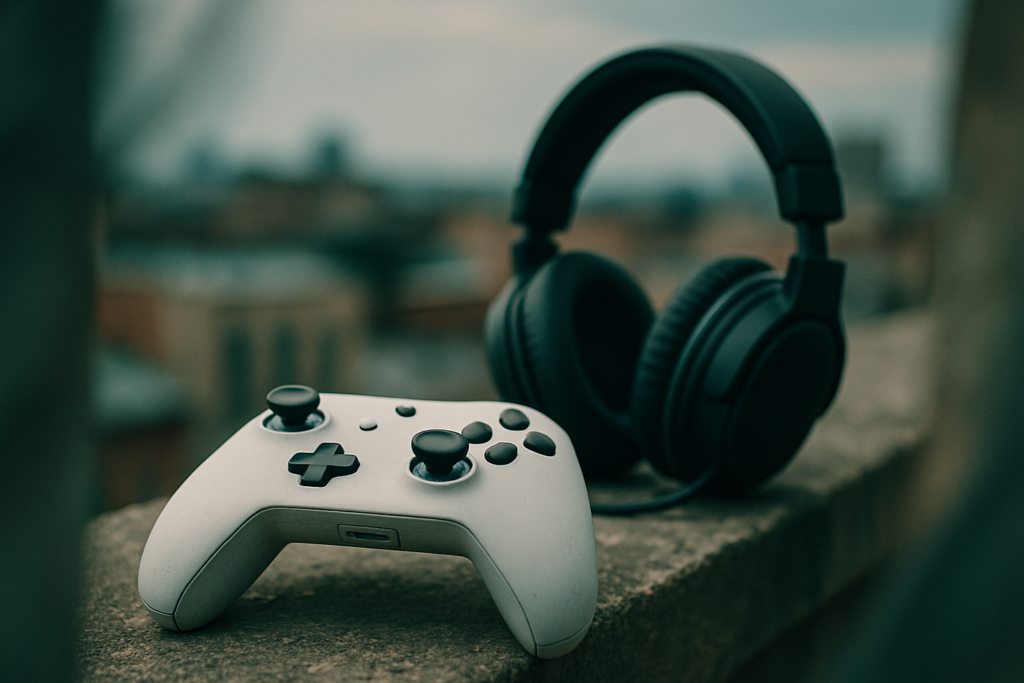
Bluetooth 5.3 and ultra wideband (UWB) are also pulling weight. Input lag on controllers, headsets, and peripherals is dropping to single digit milliseconds. It’s not just functional it’s competitive. For most gamers, cutting the cord doesn’t mean compromising performance anymore. It means ditching the mess and keeping the edge.
Beyond Cables: A Seamless Experience
Wires have always been the necessary evil of gaming setups. But those days are fading fast. Wireless headsets, controllers, and even VR rigs are cutting the cord literally and letting players move freely. No more tripping over cables, no more rearranging your room just to fire up a round of co op.
It’s not just the freedom of movement it’s the freedom of place. Portability has leveled up. Wireless gear is lighter, faster to sync, and generally plug and play. Gamers can throw a headset into a bag, sync up with their rig or console in seconds, and be in the game wherever they land couch, cabin, or coffee shop.
Cloud sync takes it further. Profiles, settings, saved games they all travel with you. Your controller remembers you; your headset adjusts to your audio curve instantly. The dream is simple: one ecosystem, no wires, no fuss. Plug in once, go anywhere.
Wireless isn’t just a feature anymore. It’s the baseline.
Cloud Gaming’s New Best Friend
5G and Wi Fi 6 aren’t just buzzwords anymore they’re changing the way we game. The biggest win? Stability. Lag and buffering aren’t killing your boss fight halfway through. Whether you’re on a subway or stuck in a hotel room with terrible ethernet, cloud gaming holds up. AAA titles once chained to high end rigs now run smooth on a mid range phone or tablet.
It’s also a game changer for folks short on storage. Cloud platforms let you stream titles without clogging up your device with 100GB installs. No more late night rage over a full hard drive or sudden game updates eating your bandwidth. While the need to download everything isn’t totally gone, we’re headed toward fewer installs and a lot more playing on demand.
Throw in the fact that all of this works with cheaper devices, and you’ve got access and flexibility that just weren’t possible a couple years ago. Less friction, more gaming that’s where it’s going.
Competitive Gaming Goes Cordless
For years, cables were non negotiable in pro gaming. Wired meant stable, fast, and safe from dropouts. But in 2024, that’s no longer the whole story. Wireless gear has leveled up and it’s now battle tested in tournaments where every millisecond matters. We’re seeing top tier gamers using wireless headsets, mice, and controllers with zero lag, thanks to advances in transmission tech and interference management.
And it’s not just about performance. Modern wireless gear is built for endurance. Energy efficient chipsets and smarter battery management mean players can grind for hours without scrambling for a charge. Some headsets and mice are clocking 30+ hours on a single charge more than enough to survive long sessions and sudden death rounds.
Wireless in esports isn’t experimental anymore. It’s certified legit.
Upgrading Your Setup Smartly
Wireless gaming only delivers if the gear behind it can keep up. That starts with your router. A gaming grade Wi Fi 6 or 6E router isn’t optional it’s the spine of your setup. Prioritize models built for low latency traffic and device prioritization. The difference is night and day once you’re mid match.
Next up: peripherals. Not all wireless accessories are built equal. Go for low latency headsets and controllers that support Bluetooth 5.3 or proprietary low ping wireless protocols. Battery life matters, but responsiveness matters more.
Lastly, don’t skip tools that support cloud syncing this is what ties it all together. Devices that can jump across platforms without unpairing or reconfiguring save time and mental bandwidth. Convenience shouldn’t come with performance trade offs anymore.
For tech stack upgrades worth looking into, check out: Wireless Gaming Upgrades.
What This All Means for the Future
Wired gaming isn’t dead but it’s definitely not the default anymore. With faster wireless infrastructure rolling out globally, we’re hitting a tipping point. From high efficiency Wi Fi to fiber backed 5G, the foundation is set. Lag is down, reliability is up, and the hardware’s catching up fast.
More players are ditching the desk setup altogether. High performance gaming on your couch, in an airport lounge, or from a VR headset in a park? Totally doable. The old walls separating mobile, PC, and console are crumbling. Cross platform play and cloud saves are bridging the gaps. The result: gaming becomes more about the experience, less about the box you’re playing on.
For gamers and content creators alike, it’s time to rethink what a “setup” even means. Less cables, more flexibility. Less hardware partitions, more fluid access. Learn more in our breakdown of the infrastructure powering this shift here: Wireless Gaming Upgrades.
 Rosendor Smithiery, the founder of Infinity Game Saga, plays a pivotal role in shaping the direction and content of the platform. As the visionary behind the site, Rosendor’s leadership and passion for gaming drive the company’s mission to deliver top-notch gaming coverage. In addition to his executive role, he actively contributes to writing articles, offering his deep insights and expert perspectives on various gaming topics.
Rosendor’s hands-on approach ensures that Infinity Game Saga maintains a high standard of quality and relevance. His articles often explore emerging trends, provide detailed analyses, and offer unique viewpoints on the gaming industry. By blending his leadership with his writing, Rosendor enriches the content and connects with readers, solidifying Infinity Game Saga’s reputation as a leading voice in gaming media.
Rosendor Smithiery, the founder of Infinity Game Saga, plays a pivotal role in shaping the direction and content of the platform. As the visionary behind the site, Rosendor’s leadership and passion for gaming drive the company’s mission to deliver top-notch gaming coverage. In addition to his executive role, he actively contributes to writing articles, offering his deep insights and expert perspectives on various gaming topics.
Rosendor’s hands-on approach ensures that Infinity Game Saga maintains a high standard of quality and relevance. His articles often explore emerging trends, provide detailed analyses, and offer unique viewpoints on the gaming industry. By blending his leadership with his writing, Rosendor enriches the content and connects with readers, solidifying Infinity Game Saga’s reputation as a leading voice in gaming media.